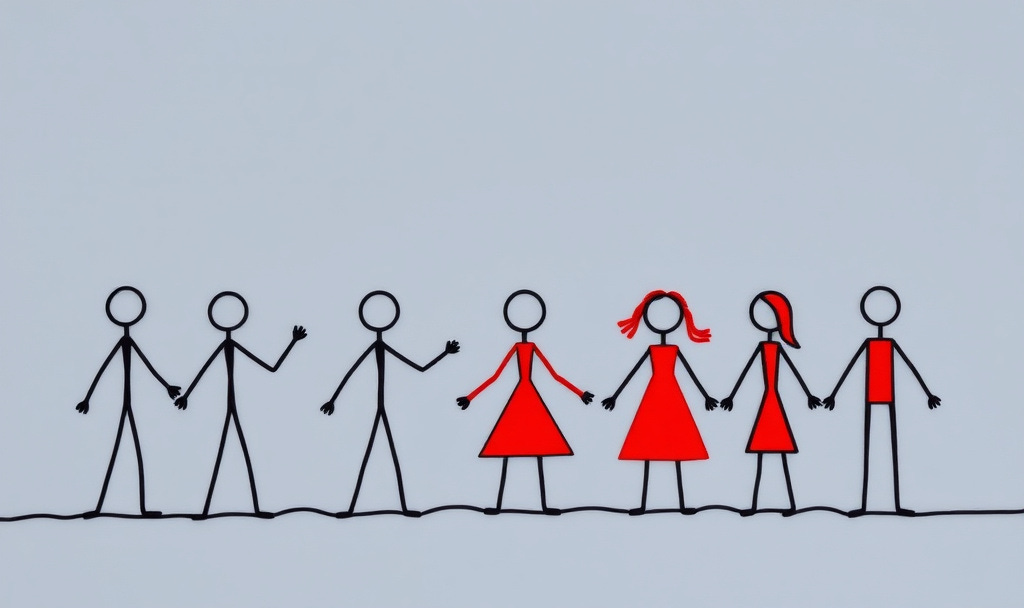
Early adulthood is often described as the beginning of “real life”. It’s a season marked by independence, ambition, and visible milestones. Yet, beneath these transitions, many young adults are quietly figuring out their emotional histories that didn’t get the memo before, during, or after graduation or with that new job offer. Trauma doesn’t end simply because adulthood begins.
Section One: Early Adulthood (Ages 20-25)
Early adulthood is when we spend a lot of time seeking comfort and identity consolidation towards independence. College, entering the workforce, forming serious relationships, and even becoming a parent for the first time are common milestones to experience during this stage. Of course, everyone’s different, so not everything’s set in stone.
Each milestone comes with excitement—and potential strain. For those carrying unresolved trauma, these transitions often activate old patterns of stress, fear, or self-protection. It can also appear in many forms, like relationship betrayal, academic or career instability, financial hardship, or the stress of early parenthood.
Did You Know?: Did you know that these experiences don’t just happen overnight? Trauma at this stage intersect with the social expectation that young adults “should” have life figured out (or in the process of figuring out their life). Unfortunately, this type of stress creates an unnecessary tension between our inner emotional reality and external pressures.

Common coping strategies reflect survival instincts more than immaturity. Some—and I stress some—young adults overwork themselves to prove competence, avoid difficult situations, insist on handling everything alone, emotionally distance themselves from others, or turn to alcohol or substances for relief. These behaviors may help them process and navigate immediate stress, but they can also obscure deeper needs for support, connection, and understanding.
The nervous system doesn’t pause for ambition or deadlines. Even when young adults appear calm and capable, unresolved trauma may continue to shape responses to challenges. Mistaking these survival strategies for personality traits or “normal” adult stress can delay awareness and intervention.
Did You Know?: Early adulthood is a critical period for recognizing how trauma interacts with responsibility. The best way to identify protective behaviors, discern healthy coping strategies, and lay down the groundwork for sustainable emotional growth for young adults is support. Yes, something so small can make a huge difference.
Awareness at this stage is not just being preventative, but transformative. It’s about shaping how identity, relationships, and life choices develop over the decades ahead…
…what do you think?

Author’s Note
Hey y’all and welcome to Hari’s Helping Hands! If you’re new, my name is Hari G. Darcy. I’m the proud owner of my first ever nonprofit newsletter.
Today’s post was originally supposed to be a long-form post, but I thought about it and wanted to break it up into subtle sections. Usually, I’m packing in the meat and potatoes—a lot of educational and informational goodies—but today’s one of those days where I’m feeling sleepier than usual.
Anyway, before I go, I wanted to say thank you for sticking around with me. We’re getting closer to being here for a full year (consistently at that)! If it isn’t too much, don’t forget to Spread the Love to my Ko-fi page. Your support helps Hari’s Helping Hands become an official nonprofit in the state of Texas. Something as small as $0.50 or $1 can go a long way!
Have a good afternoon, evening, and morning! I’ll see y’all soon <3