

In part one, we talked about the early stages of adulthood (age 20 to 25). Today, we’re going to dive a little deeper into our late 20s and 30s—moving in sync with independency and sustaining what has been built.
As we know, our late 20s and 30s are all about many foundational changes. These changes include, but are not limited to:
Parenting or adoption
Long-term relationships or marriage
Career and financial stability
Relocation or planting roots to finally call it home
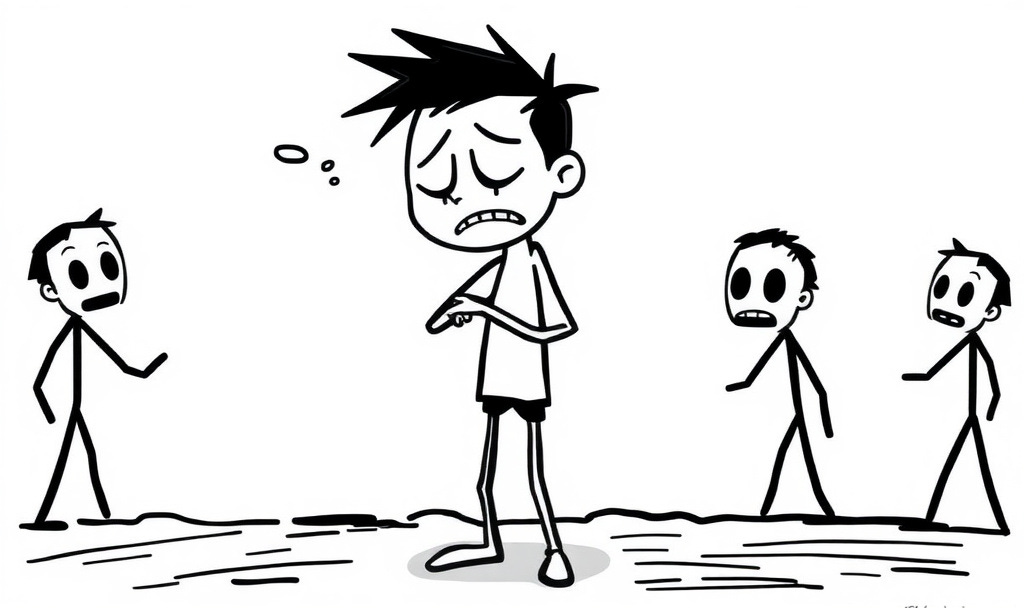
For individuals carrying unresolved trauma, this stage can quietly increase internal strain and criticism. The accumulation of roles exposes coping mechanisms that once felt protective. Now, it’s all about maintaining control without drifting into chronic overworking, emotional isolation, or nonexistent motivation.
Did You Know?: Did you know long-term intimacy frequently activates attachment wounds. Toxic workplace hierarchies can trigger authority-based stress responses. Parenting may also expose unresolved experiences from one’s own childhood.
People in this group are supposed to be the cream of the crop, cool and collected when pressure masquerades as being busy and fried. A big part of trauma when becoming an adult is that it becomes your normal. Chronic anxiety dresses nicely as responsibility, while emotional exhaustion becomes “just part of adulthood.” When survival strategies are rewarded with promotions, praise, or external validation, they embed more deeply into identity instead of self-expression and self-love.

While this stage does not create trauma, it still exposes it. The responsibilities of establishing adulthood function as a mirror, reflecting which coping strategies were adaptive and which have quietly become restrictive. In the end, everything boils down to making the ultimate choice: solidify long-standing survival strategies or interrupt them before it costs them more than what it’s truly worth.