

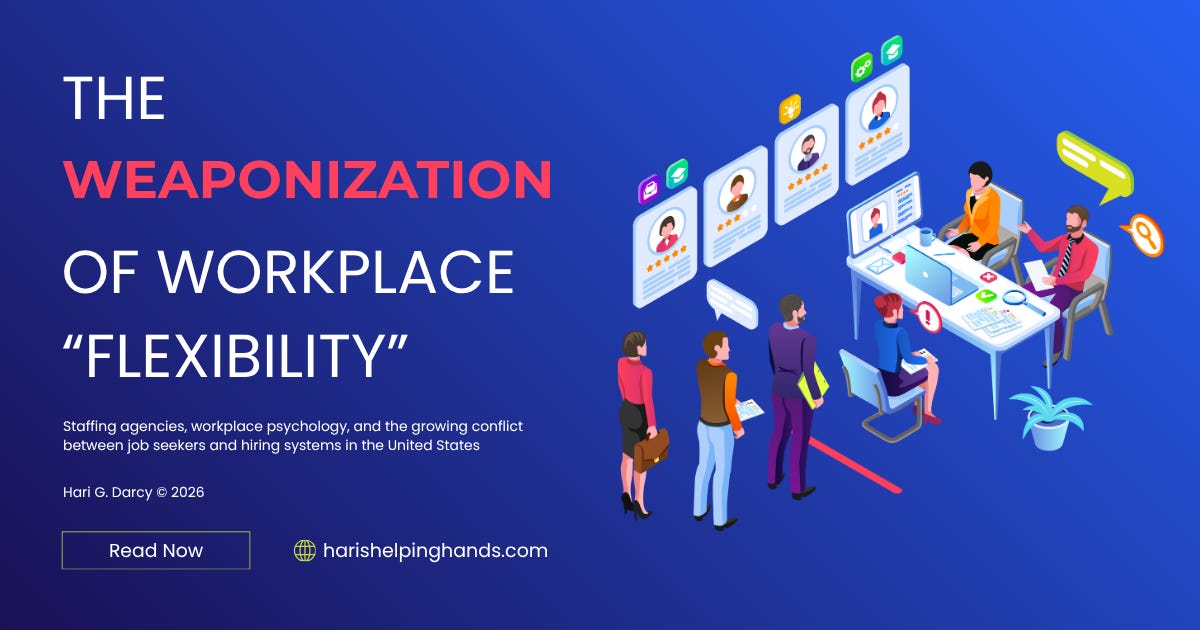
Workplace flexibility has become one of the biggest changes in today’s job market. Remote work, contract jobs, temporary staffing, and flexible schedules are now common in many industries. At first, these options seem helpful for everyone. Employers can adjust their staffing needs quickly, and workers can choose schedules or locations that fit their lives.
But flexibility only works when the expectations behind it are clear. The problem is not flexibility itself. In many cases, flexible work helps parents, caregivers, students, and people who need non-traditional schedules. The real issue begins when the promise of flexibility does not match the reality of the job.
Research shows that modern workplaces are moving away from traditional models with fixed schedules and long-term contracts (Brandl et al., 2019). Many companies now use a mix of full-time employees, contractors, remote workers, and staffing agencies. These flexible work arrangements can create opportunities for organizations and employees, but they also require stronger communication and clearer expectations. Without those systems, workers may feel confused about what the job actually requires.

For many people, the word “flexibility” has felt misleading. A job may be advertised as flexible, but the worker may still be expected to meet full-time performance standards, respond quickly, or stay available without clear boundaries. This creates a gap between what workers were told and what they experience on the job.
From a workplace psychology perspective, trust plays a major role in how employees respond to their environment. Workers are more likely to feel motivated and engaged when they believe their employer communicates honestly and supports their needs. Research on workplace flexibility suggests that when organizations provide employees with more control over when and where they work, flexibility can improve organizational attraction by creating a stronger sense of autonomy and trust (Schmoll & Süß, 2019). However, when employees feel that the workplace does not match what was originally presented, they may experience frustration, disengagement, and reduced confidence in leadership.
This does not mean every employer or staffing agency is acting unfairly. Companies also face real challenges when hiring in a digital environment. Fraudulent applications, inaccurate information, and increased competition for talent have forced many organizations to create more screening steps and hiring protections. The purpose of these systems is often to reduce risk and improve efficiency, but the process can sometimes create new barriers for qualified applicants.
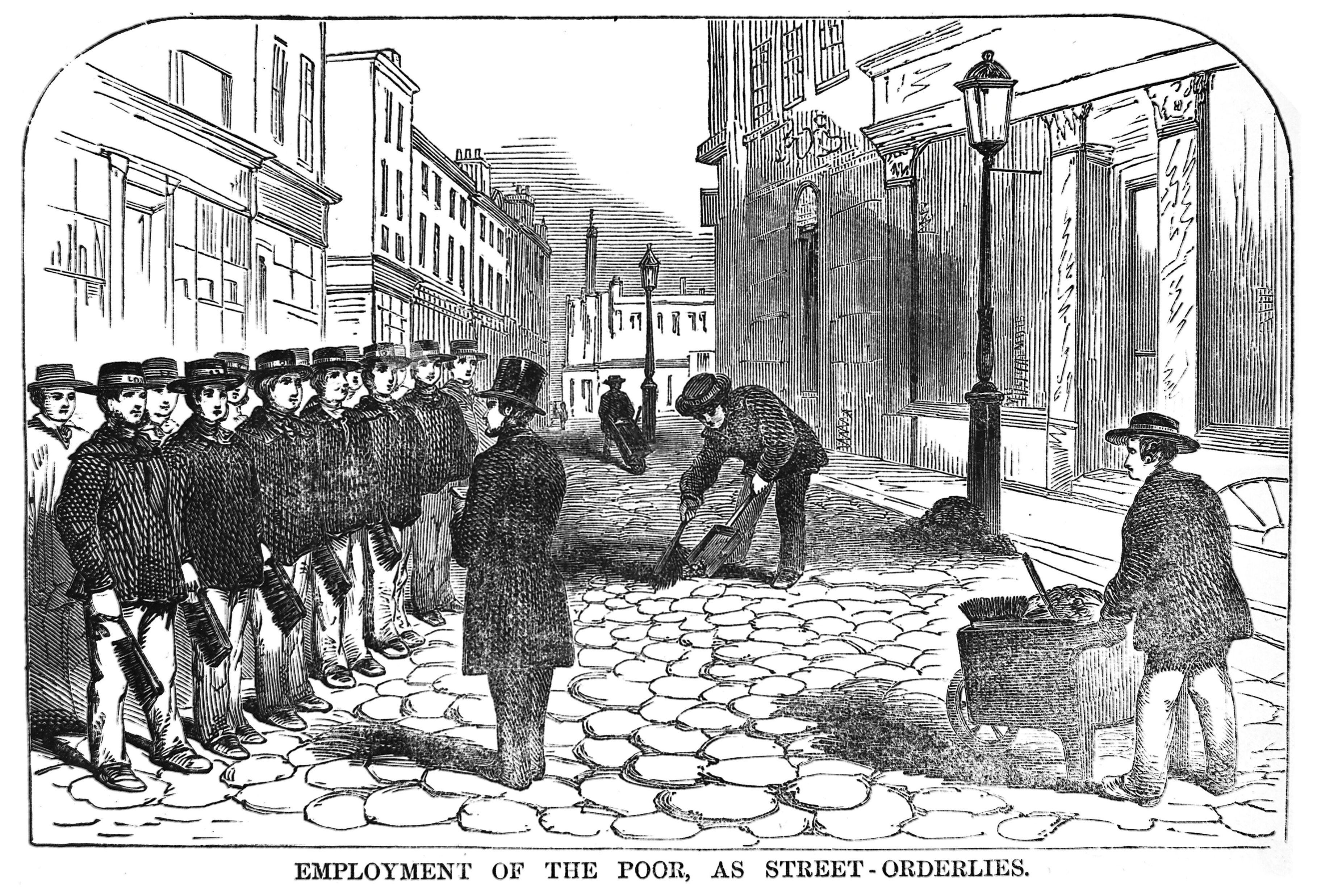
Digital hiring systems have changed how people apply for jobs. Many job seekers now interact with online forms, automated emails, staffing platforms, and artificial intelligence tools before they ever speak to a real person. While these systems can speed up hiring, they can also create emotional distance. Applicants may not know if a job is still open, who is reviewing their application, or who to contact with questions. Studies on workplace flexibility and organizational attraction suggest that the way employers communicate these opportunities can influence how applicants view the organization (Schmoll & Süß, 2019).
This lack of transparency can lead to conflict. Job seekers may feel ignored or confused, while employers may feel overwhelmed by the volume of applications. A hiring process focused only on speed can overlook the importance of communication and trust.
Healthy hiring systems require accountability from everyone involved. Employers and staffing agencies can improve workplace trust by providing accurate job descriptions, realistic timelines, clear pay expectations, and honest information about scheduling and advancement opportunities. When organizations communicate clearly from the beginning, workers have a better understanding of what they are agreeing to.
Job seekers also have a responsibility in creating healthier hiring environments. Asking questions, communicating availability, and understanding whether a position matches their needs are important parts of the process. Transparency is not only something companies provide; it is also something workers take part in through honest communication and professional boundaries.

This is where conflict navigation becomes important. Many workplace conflicts do not come from disagreement. They come from unclear expectations. When employers and workers assume the other side understands their needs without talking about them, misunderstandings grow.
Organizations that want to improve flexibility must also evaluate whether their systems actually support employee well-being and performance. Offering different scheduling options, accessible communication methods, and realistic job expectations can help companies attract stronger candidates and build more stable teams. Flexible work arrangements are most effective when they create autonomy and trust instead of uncertainty (Brandl et al., 2019; Schmoll & Süß, 2019).

The future of work will continue to change as technology evolves. Hiring systems will rely more on digital tools, staffing agencies, and new employment models. But the foundation of a healthy workplace will stay the same: transparency, communication, accountability, and trust.
Flexibility is not the problem. The problem is when flexibility becomes a word used to describe instability. A strong hiring system is not built only on convenience or technology. It is built on the understanding that behind every application and every job is a person trying to build stability and opportunity. When workplace flexibility is supported by honest communication and realistic expectations, it becomes what it was meant to be: a tool for creating healthier workplaces.

References
Brandl, J., Kozica, A., Pernkopf, K., & Schneider, A. (2019). Flexible work practices: Analysis from a pragmatist perspective. Historical Social Research, 44(1), 73–91. https://www.ssoar.info/ssoar/handle/document/61233?locale-attribute=en
Employment of the poor as street-orderlies. (n.d.). [Graphic]. Wellcome Collection. Retrieved https://jstor.org/stable/community.36635222
Schmoll, R., & Süß, S. (2019). Working anywhere, anytime: An experimental investigation of workplace flexibility’s influence on organizational attraction. Management Revue, 30(1), 40–62. https://www.jstor.org/stable/26869685