


One of the most persistent misunderstandings in workplace culture is the belief that professionalism requires emotional detachment. Many employees, contractors, and business owners feel pressured to hide frustration, confusion, burnout, or anxiety in order to appear “easy to work with.” Over time, this creates environments where people communicate less honestly, avoid difficult conversations, and carry unspoken stress that eventually affects performance, teamwork, and decision‑making. Research on psychosocial safety confirms that when workers feel unable to express concerns, the workplace becomes more hostile and emotionally unsafe (Amoadu et al., 2024).
This pressure is especially common among 1099 contractors and self‑employed workers. Unlike traditional employees, contractors often operate under constant pressure to maintain opportunities and protect professional relationships. As a result, many become overly cautious during conflict. They may hesitate to address unclear expectations, delayed communication, unrealistic deadlines, payment issues, or workload imbalances because they fear being labeled difficult or replaceable. Yet avoiding communication rarely prevents conflict—it simply delays it.
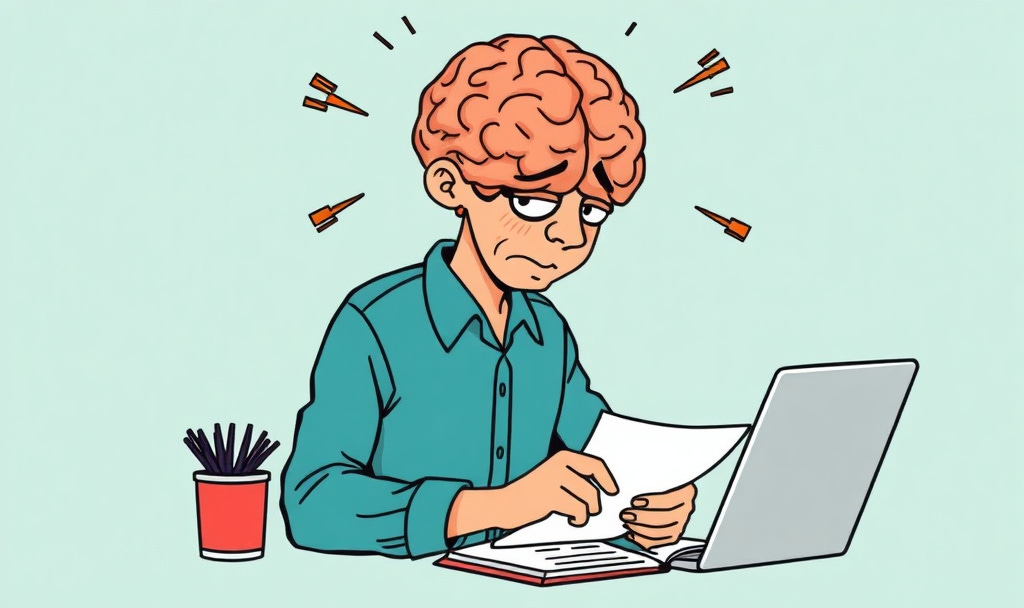
Workplace psychology shows that unresolved tension often appears indirectly before it becomes visible. A person may become less engaged in meetings, slower to respond to messages, or more reactive under pressure. Others may overcompensate by being overly agreeable while quietly building resentment. In many cases, the issue is not the workload itself but the absence of psychological safety—the sense that it is acceptable to speak honestly without risking retaliation or judgment. High‑quality research consistently shows that environments lacking psychological safety expose workers to higher levels of stress, emotional exhaustion, and mental health strain (Amoadu et al., 2024).
Psychological safety plays a major role in how people communicate. When individuals feel respected, informed, and emotionally supported, they communicate more clearly and confidently. When they feel disposable, ignored, or constantly criticized, communication becomes guarded and reactive. Manager‑driven interventions that strengthen emotional awareness and supportive communication have been shown to improve trust, clarity, and conflict resolution across teams (Berglund et al., 2024). This reinforces the idea that emotional intelligence is not optional in modern workplaces, but foundational.
This does not mean workplaces should abandon structure. Boundaries, accountability, deadlines, and professionalism still matter. But structure without emotional awareness often creates communication systems built on fear rather than clarity. Workers may complete tasks efficiently while still feeling disconnected, undervalued, or psychologically drained.

Conflict navigation becomes healthier when people learn to separate correction from personal attack. Many workers interpret feedback emotionally because past experiences shaped how they respond to authority. Someone who grew up with constant criticism may hear guidance as rejection. Someone who worked in hostile environments may become defensive before the conversation even begins. Others may shut down entirely to avoid embarrassment or confrontation. These reactions are not signs of unprofessionalism—they are signs of emotional conditioning.
Emotionally intelligent communication helps break these patterns. Clear communication reduces confusion. Respectful communication reduces escalation. Consistent communication builds trust. For contractors and business workers, this also means learning to advocate for yourself without becoming combative. Healthy communication is not about winning every disagreement; it is about creating clarity around expectations, boundaries, responsibilities, and concerns without damaging the working relationship.
Similar article related to this section:
The Role of Empathy in Conflict Resolution

Empathy is often described as “understanding someone else’s feelings,” but in conflict resolution, it plays a far more strategic role. Empathy shifts the emotional intensity of difficult conversations, especially when tensions are high or the topic feels too heavy to touch. Many people
There are also moments when conflict is necessary. Not every disagreement is toxic. Sometimes conflict reveals inefficiencies, unclear leadership, or unrealistic expectations that were already causing strain. When handled well, conflict can improve workflow, strengthen collaboration, and establish healthier boundaries moving forward.

However, not every environment is emotionally healthy enough to support productive conflict. Some workplaces reward silence more than honesty. Others normalize burnout, poor communication, or emotional disconnection in the name of productivity. In these situations, discernment becomes just as important as communication. Workers must recognize when the environment itself is the problem — not their emotional responses to it.
Professionals should not have to suppress their emotions to succeed. Emotional intelligence, accountability, structure, and professionalism can coexist. In fact, some of the strongest workplace cultures are built by people who understand how to balance all four. Whether someone is a contractor, freelancer, supervisor, small business owner, or traditional employee, communication remains one of the most important skills they can develop. Not because conflict can always be avoided, but because emotionally healthy communication determines whether conflict becomes destructive or productive.
Sometimes professionalism is not about pretending emotions do not exist. Sometimes it is about learning to communicate clearly, regulate yourself under pressure, and navigate difficult conversations without losing respect for yourself or others.
Similar article related to this section:
The Psychology Behind Setting Boundaries

People often misunderstand boundaries when they try to use them in their personal and professional lives. People think boundaries are like barriers that are there to isolate others. The truth is, boundaries help you control yourself and stay safe. Boundaries help your brain and nervous system avoid overload from stress res…
APA-Formatted Citation(s)
Amoadu, M., Ansah, E. W., & Sarfo, J. O. (2024). Preventing workplace mistreatment and improving workers’ mental health: A scoping review of the impact of psychosocial safety climate. BMC Psychology, 12(1), 195. https://doi.org/10.1186/s40359-024-01675-z
Berglund, R. T., Kombeiz, O., & Dollard, M. (2024). Manager-driven intervention for improved psychosocial safety climate and psychosocial work environment. Safety Science, 176, 106552. https://doi.org/10.1016/j.ssci.2024.106552